the factories behind the labels you admire, open to independent brands. garments, accessories and jewellery, made in five countries.
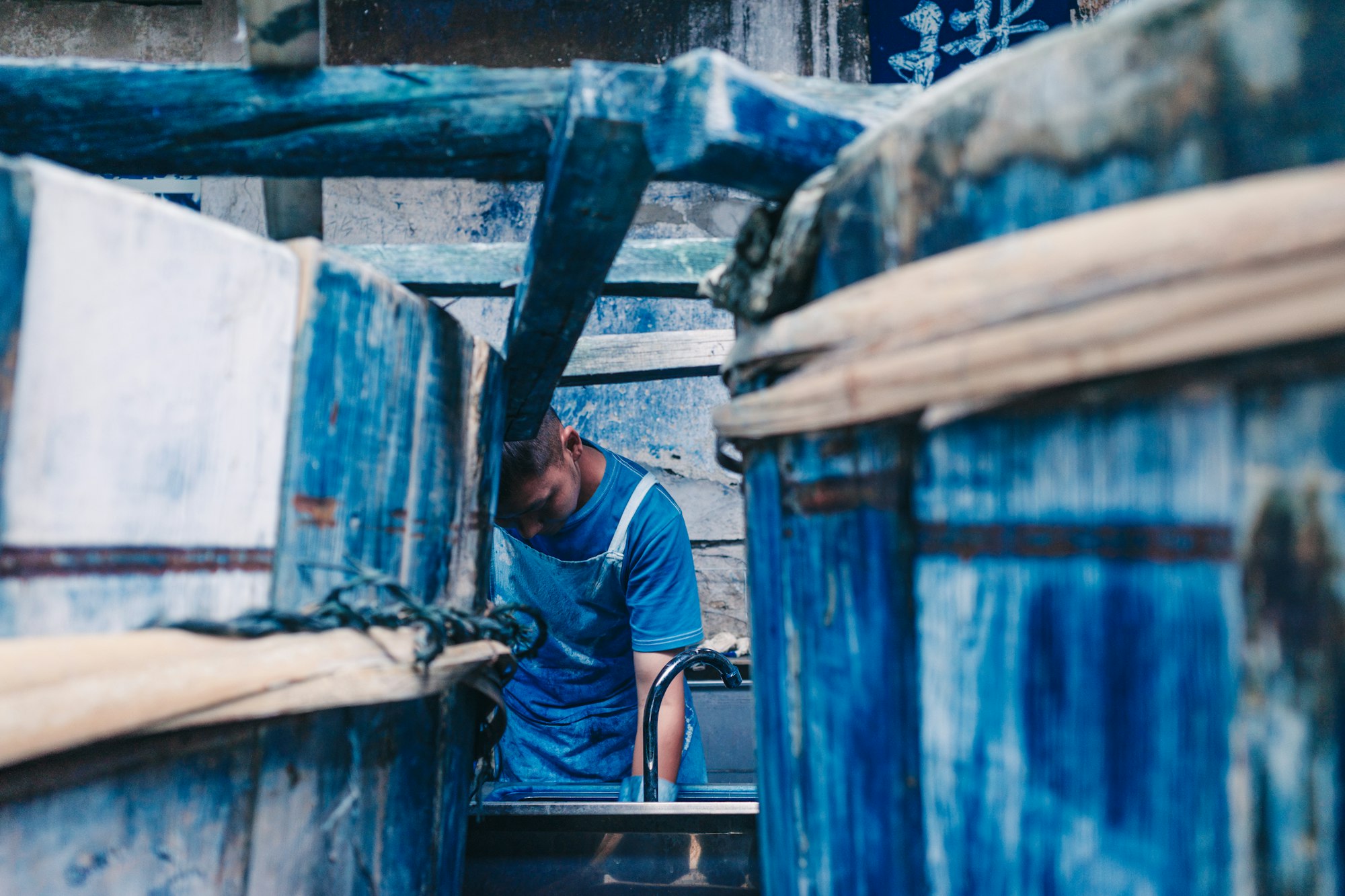
01dye house
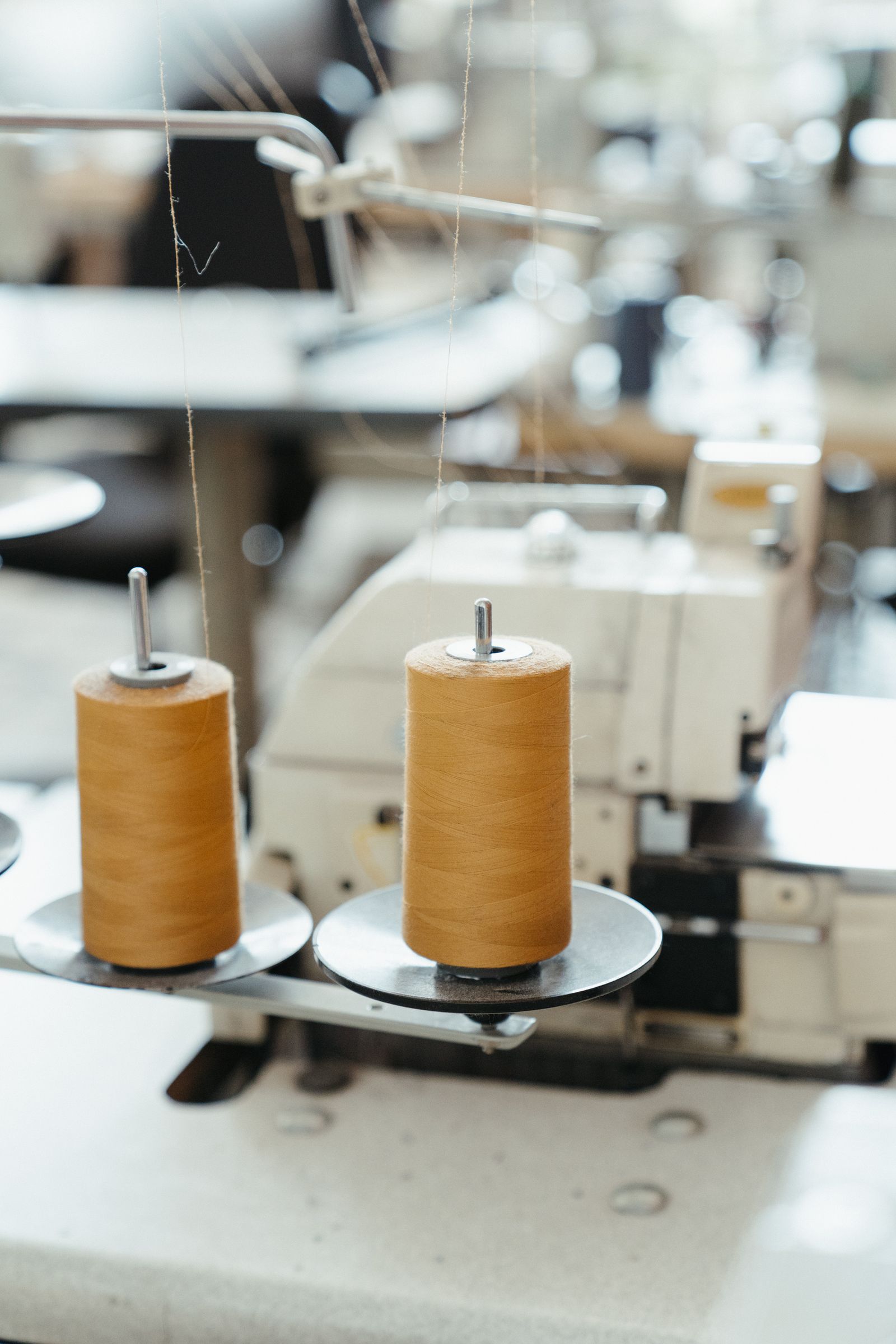
02sewing floor
what we do
we only recommend factories we have produced with ourselves. once introduced, you work with them directly, and we stay close until your order ships.
introductions are free for brands. how it works
(01) index
what our houses make. eight categories, garments and jewellery.
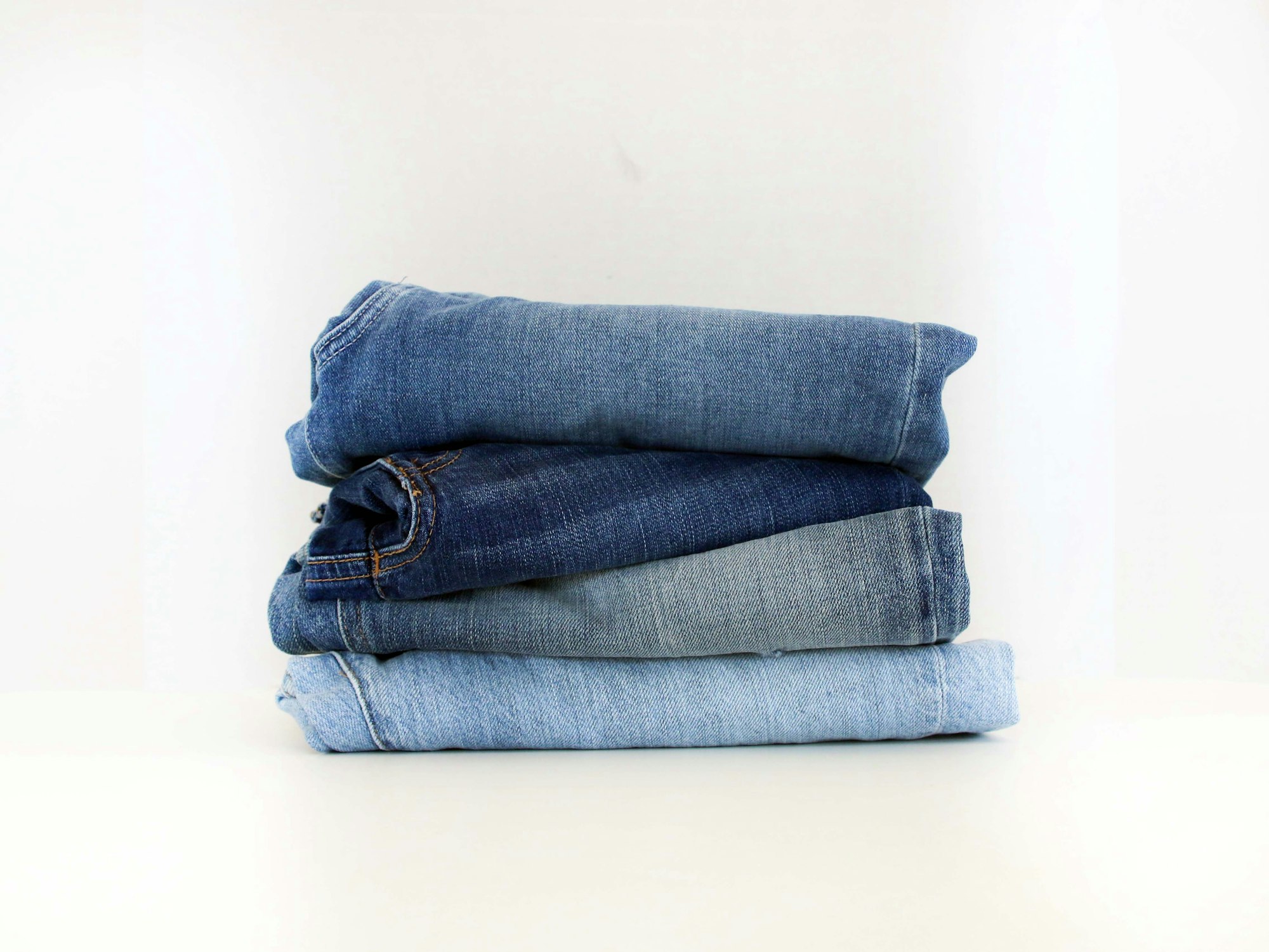
001denimrigid, washed and selvedge
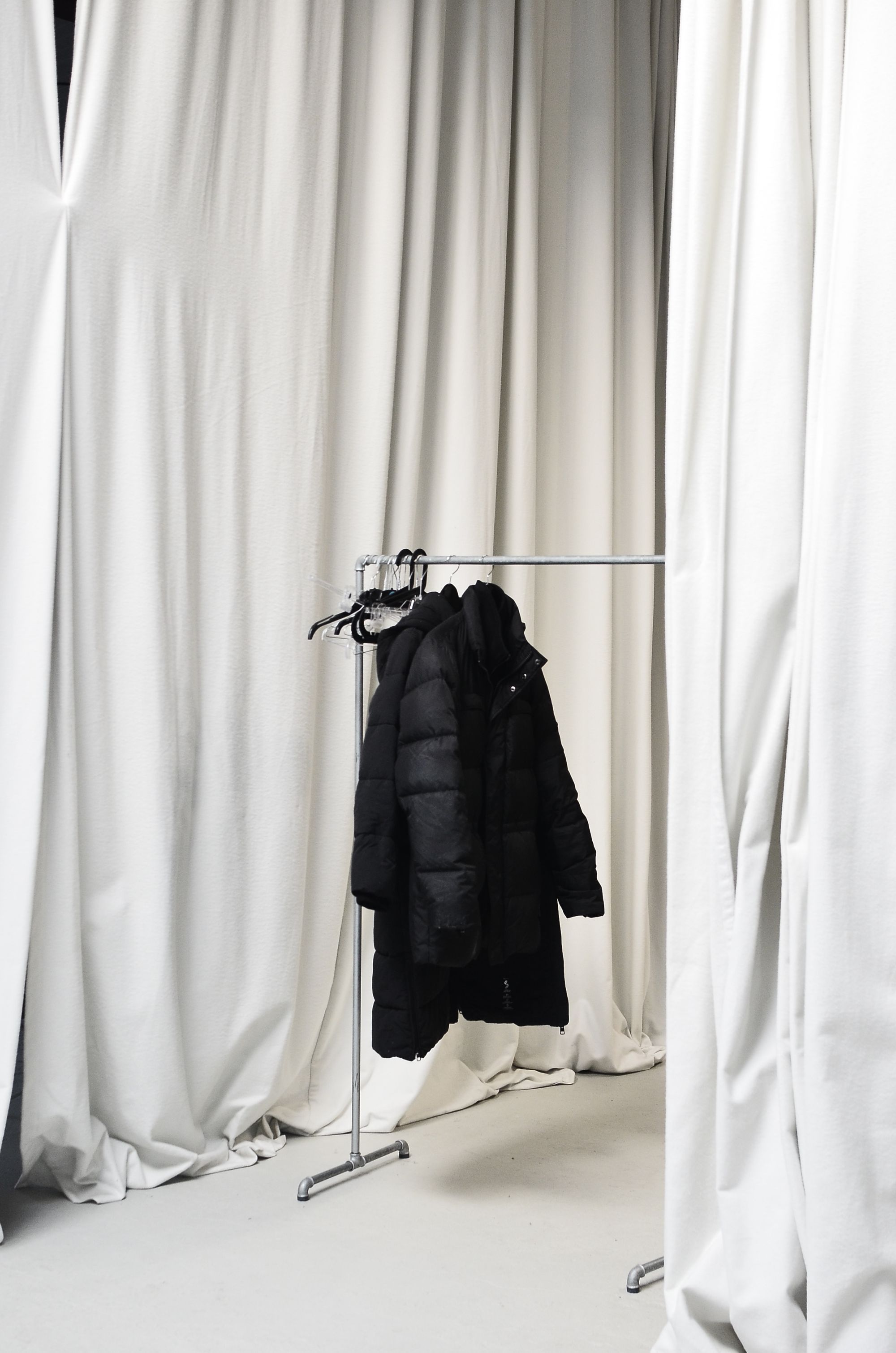
002outerweardown, padded and technical shells
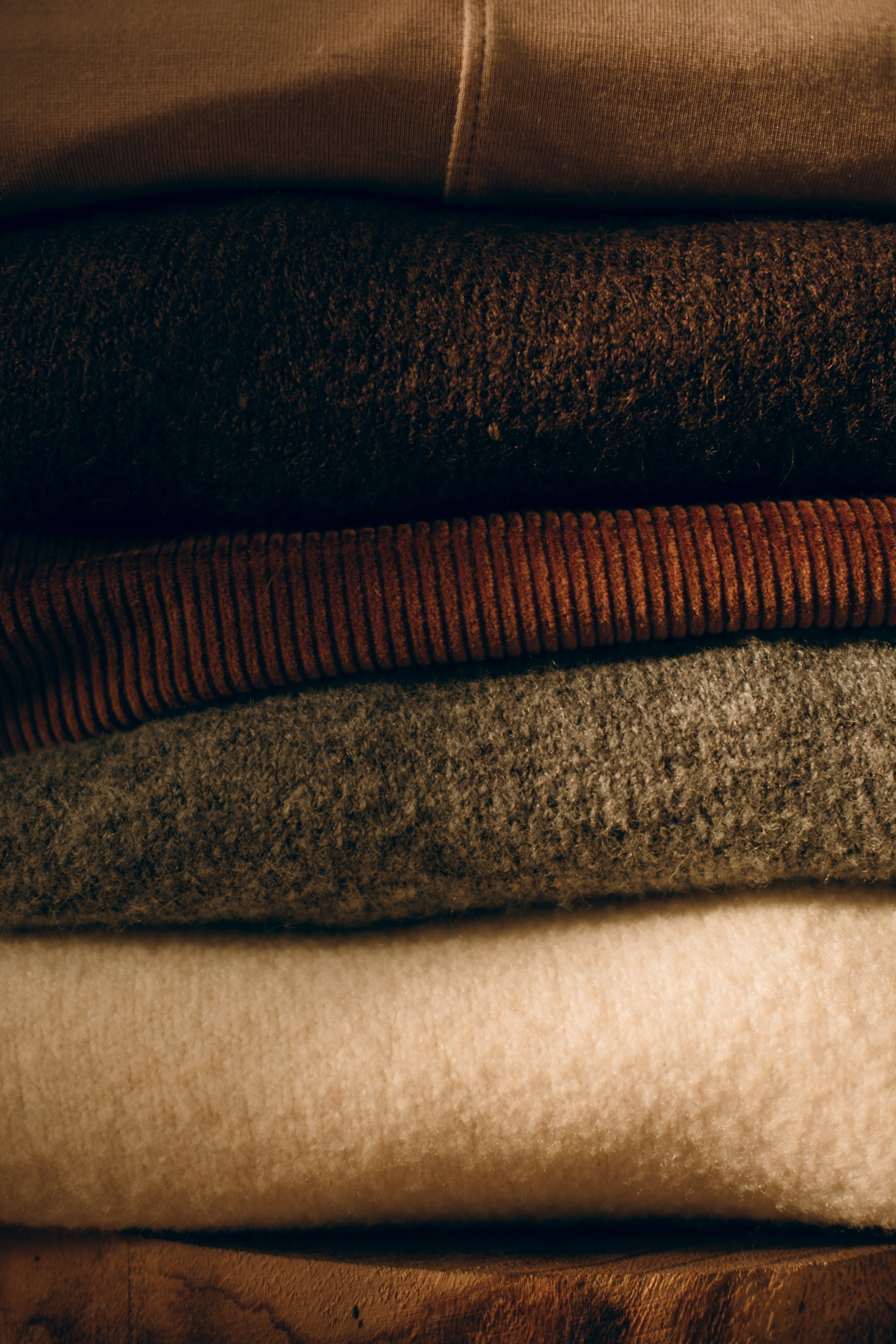
003knitwearfine gauge to heavy knits
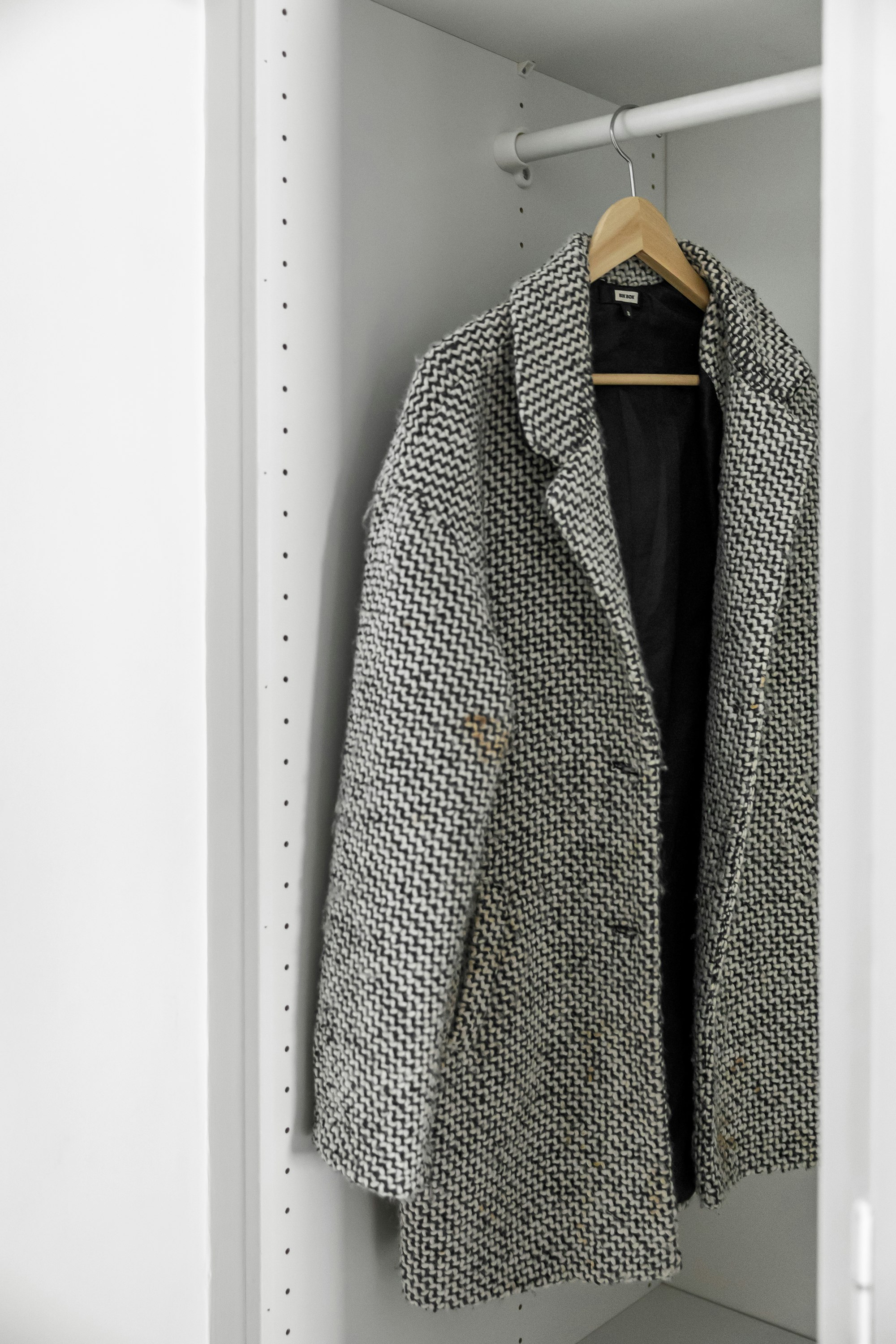
004wool and coatsovercoats and wool jackets
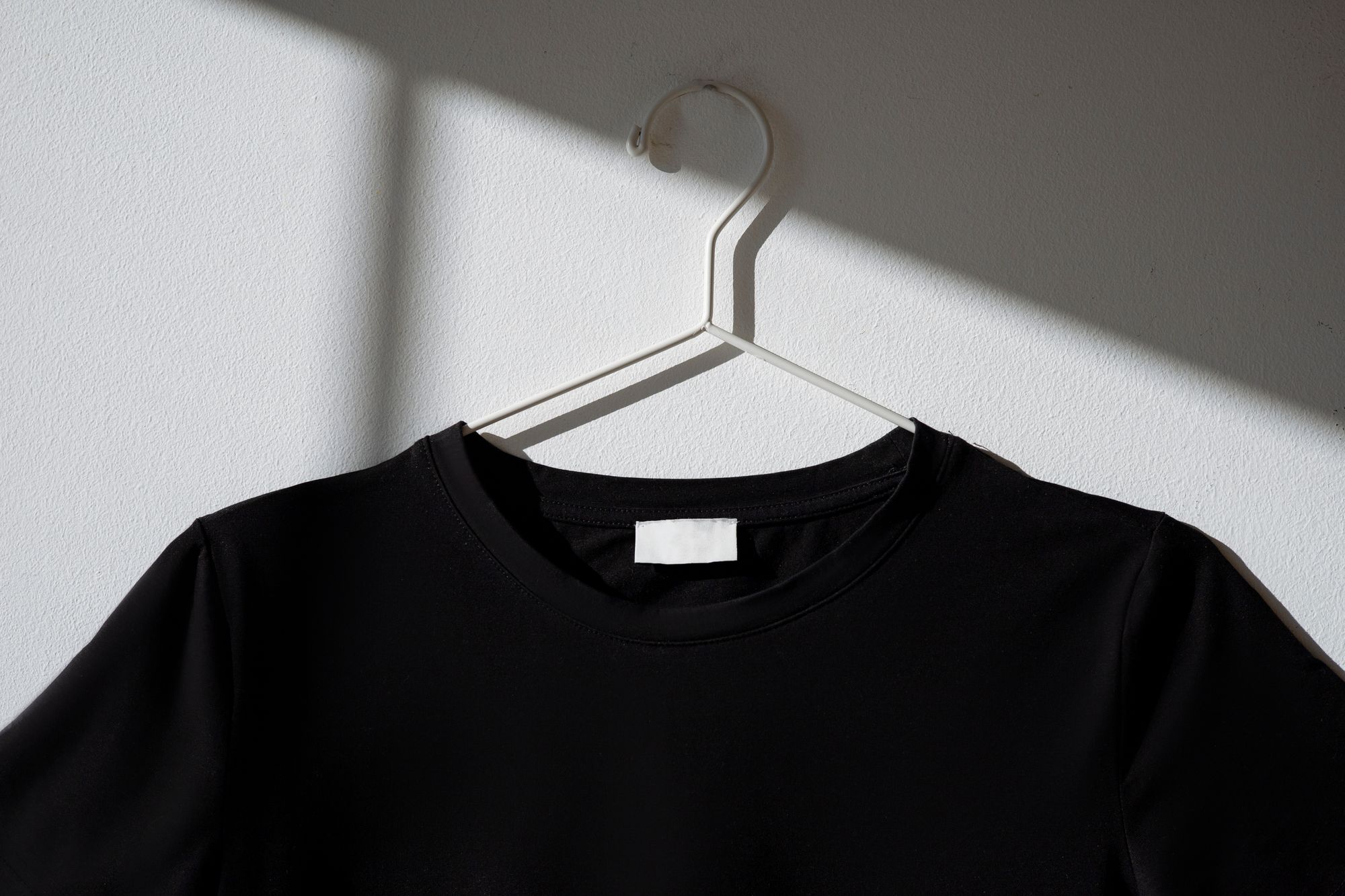
005jersey and fleecetees, hoodies and sweats

006headwearwashed, sun-faded and embroidered caps

007jewellerysilver and brass, cast and plated
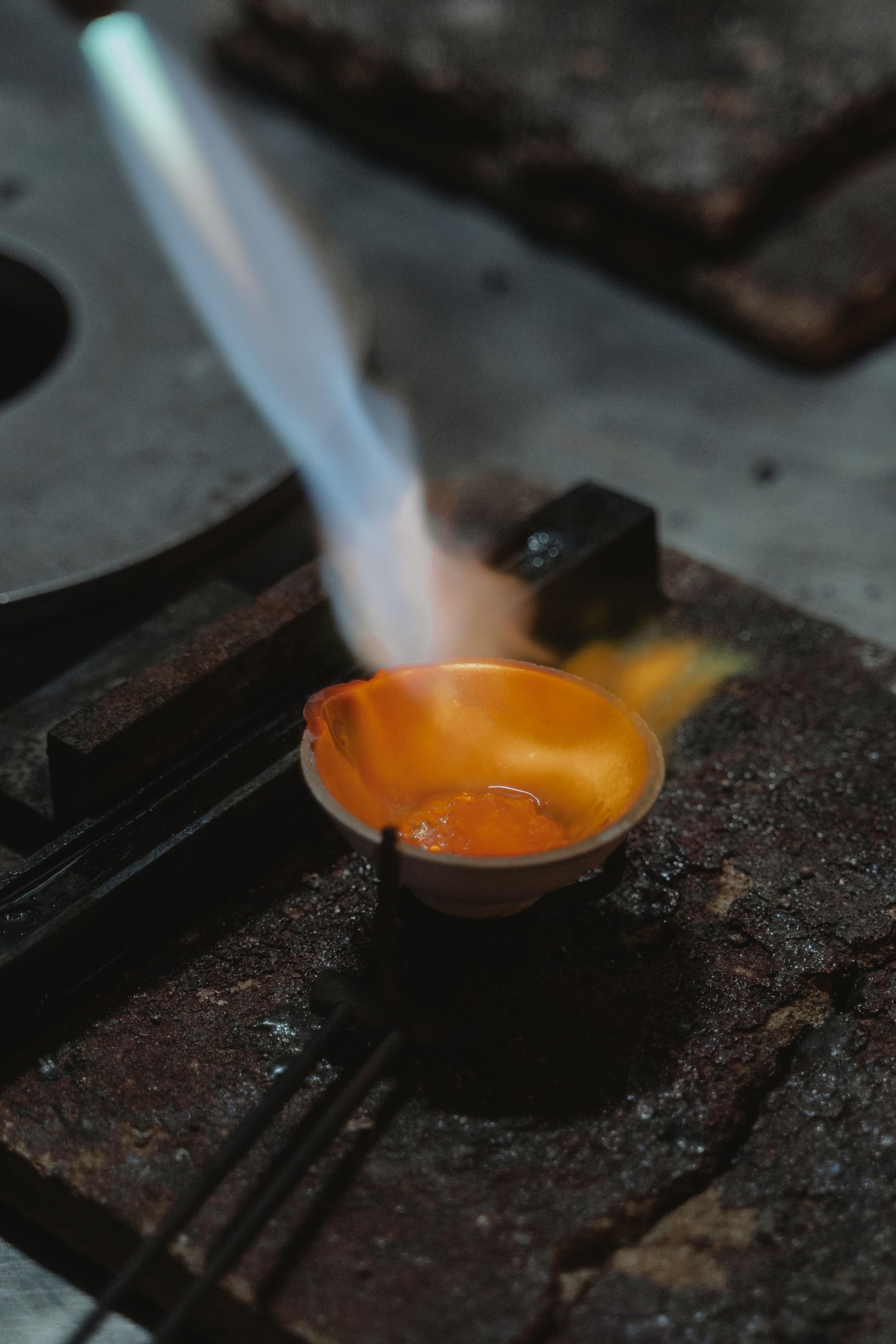
008jewellerystone setting, hand finished
(02) from fibre to finish
every stage happens with a house we know: fibre, dye, wash, make and finish.
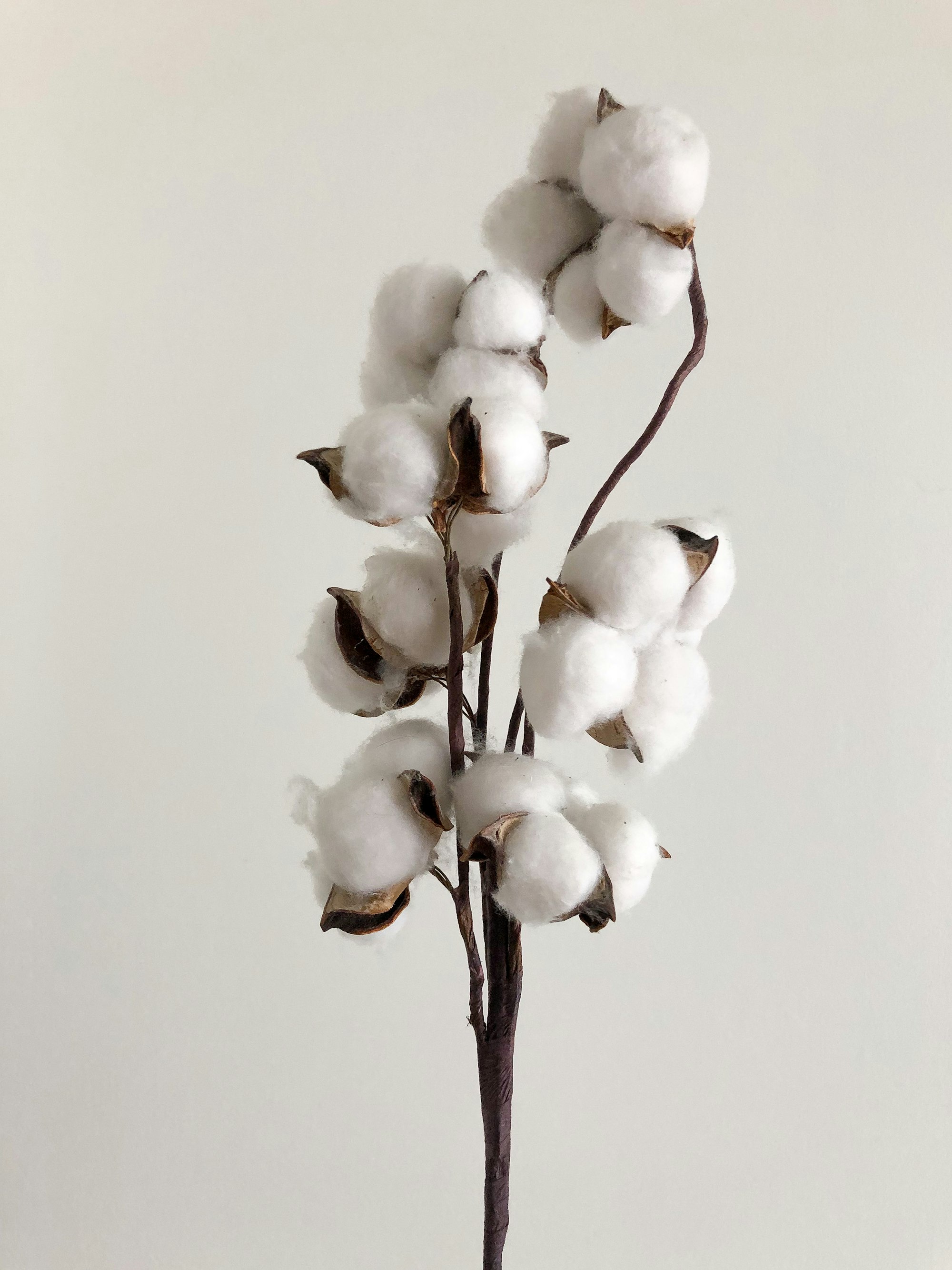
01fibrecotton, wool, cashmere
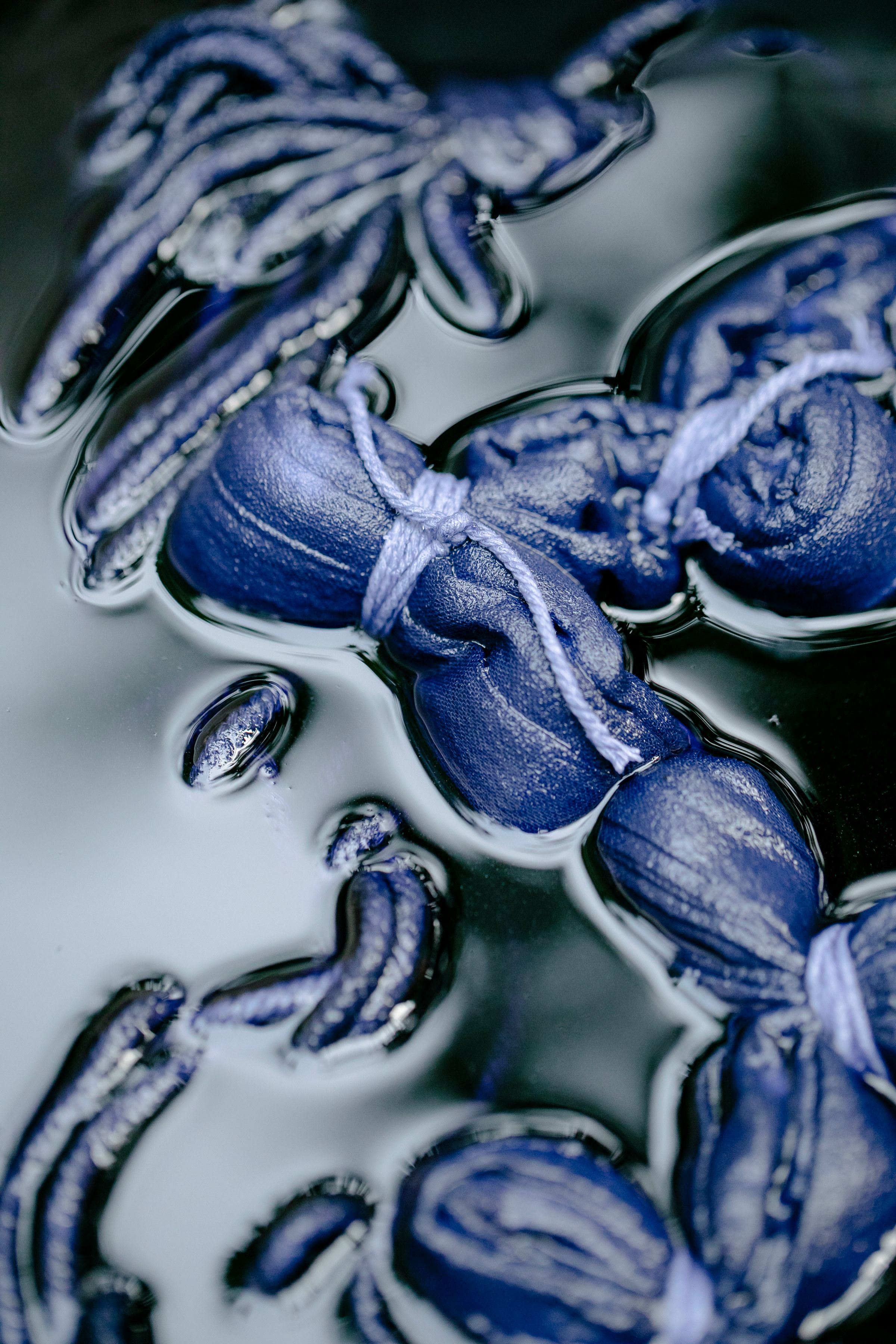
02dyegarment and piece dyeing
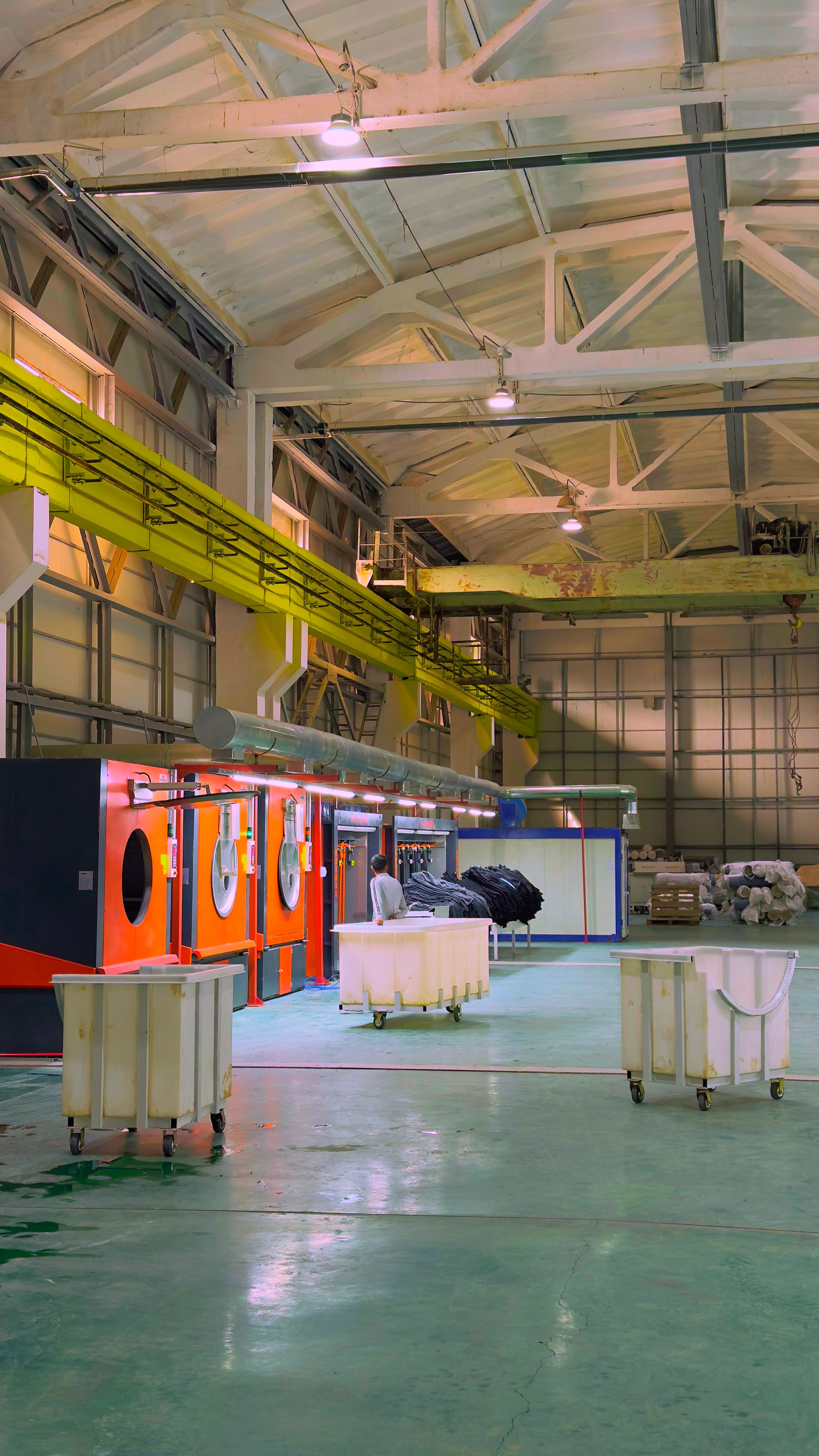
03washstonewash, enzyme, rinse
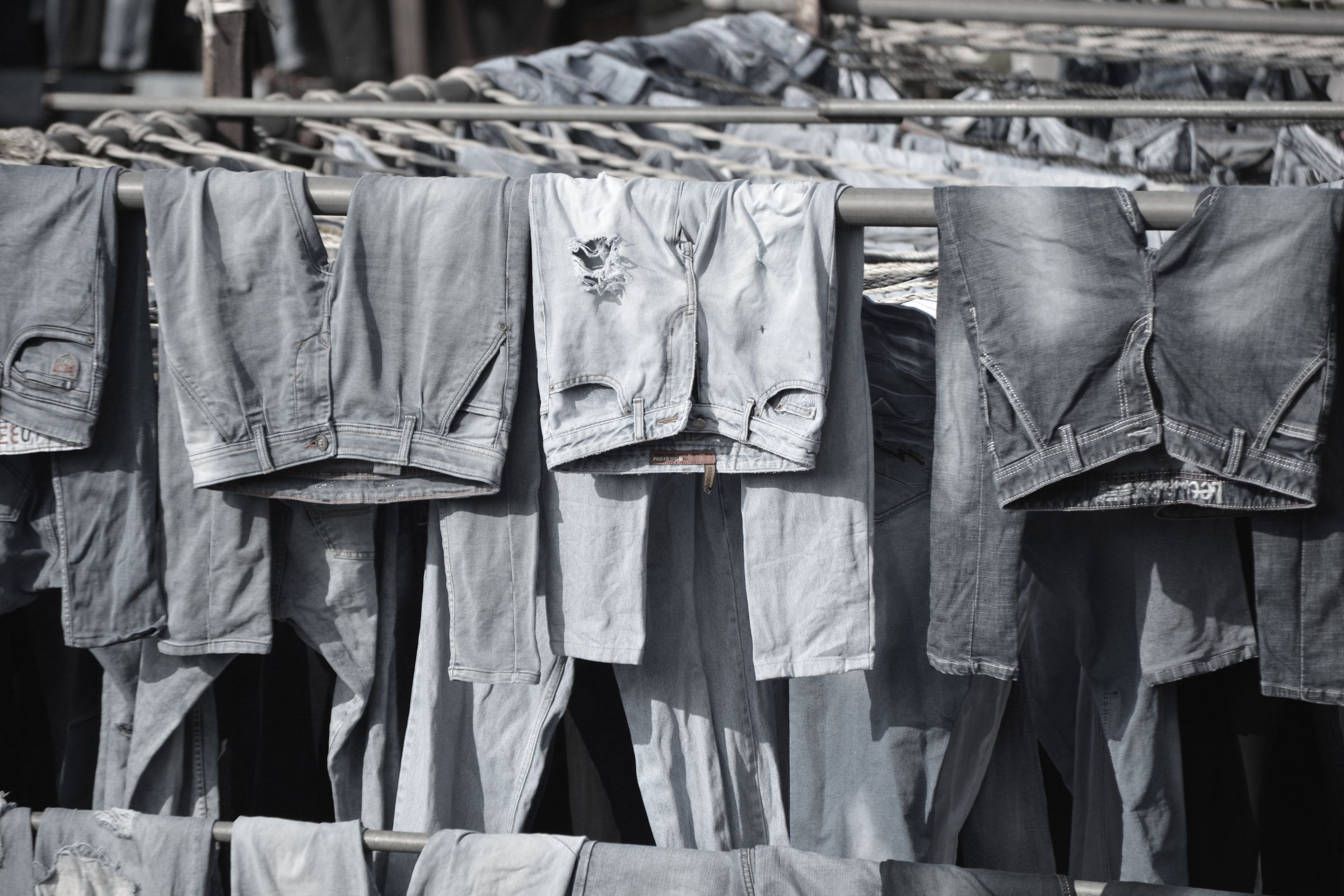
04laundryfinishing to your reference
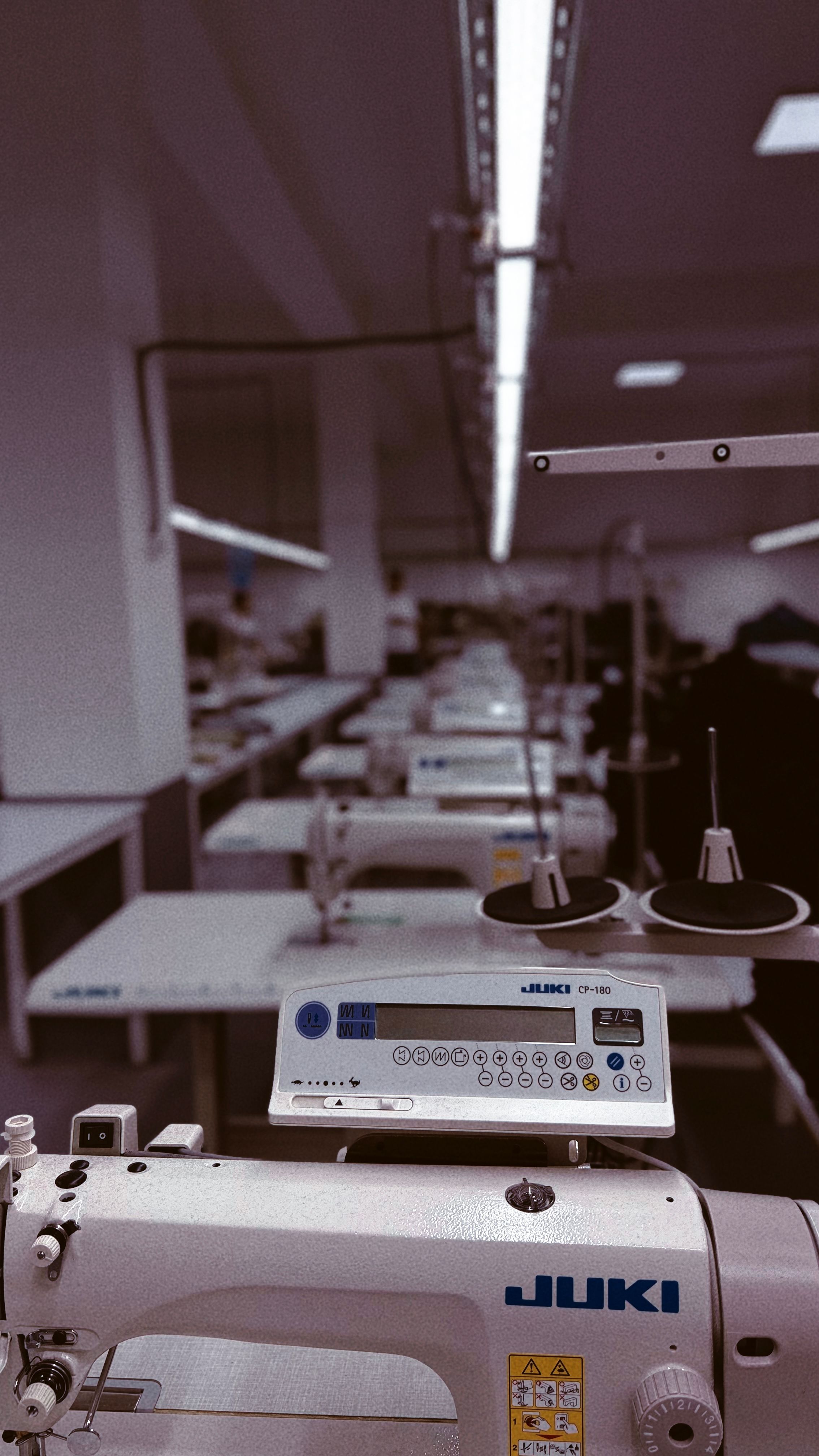
05makecut, sew, press
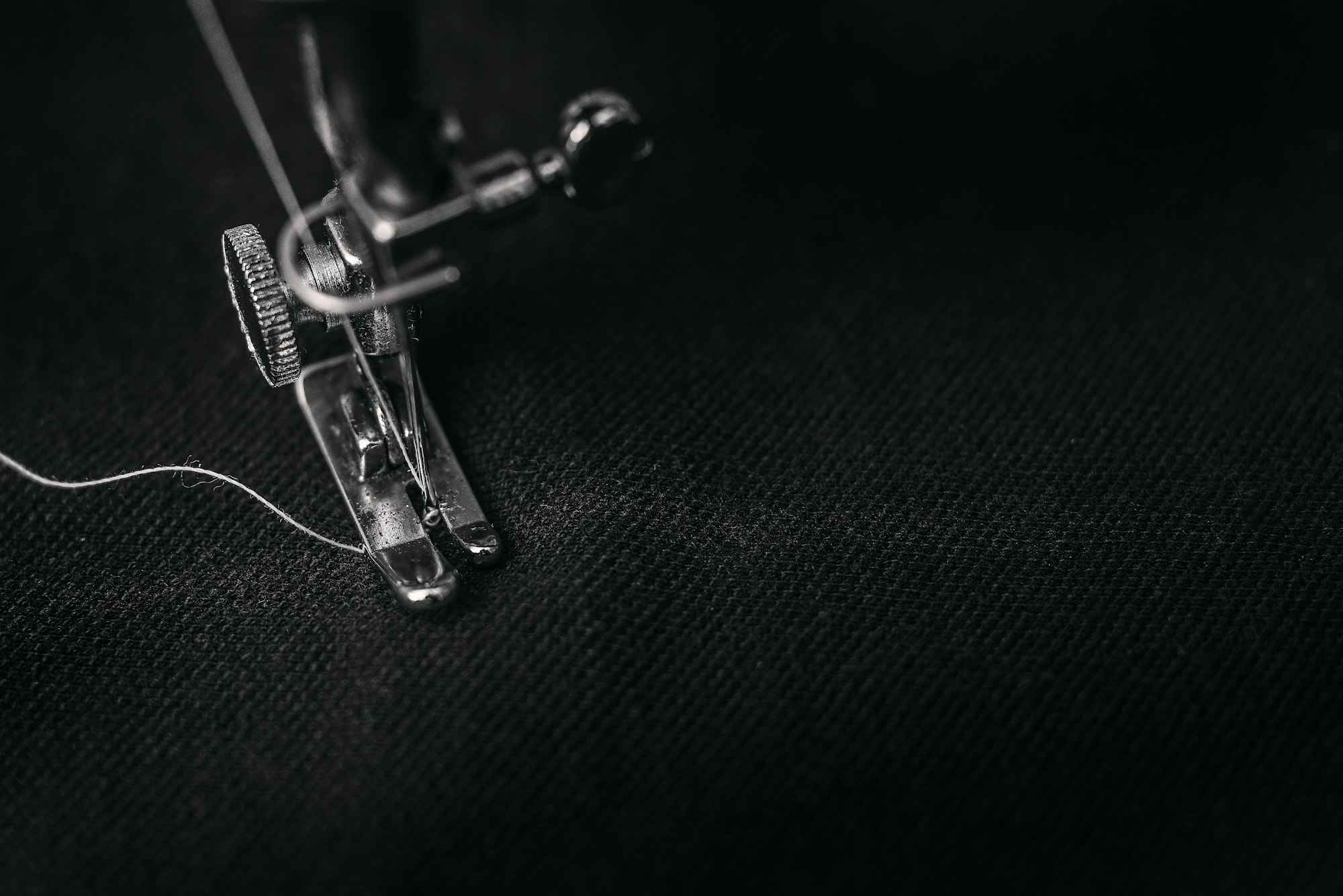
06finishtrims, checks, packing
(03) origins
five countries, each chosen for what it does best. houses are introduced by name, never published.
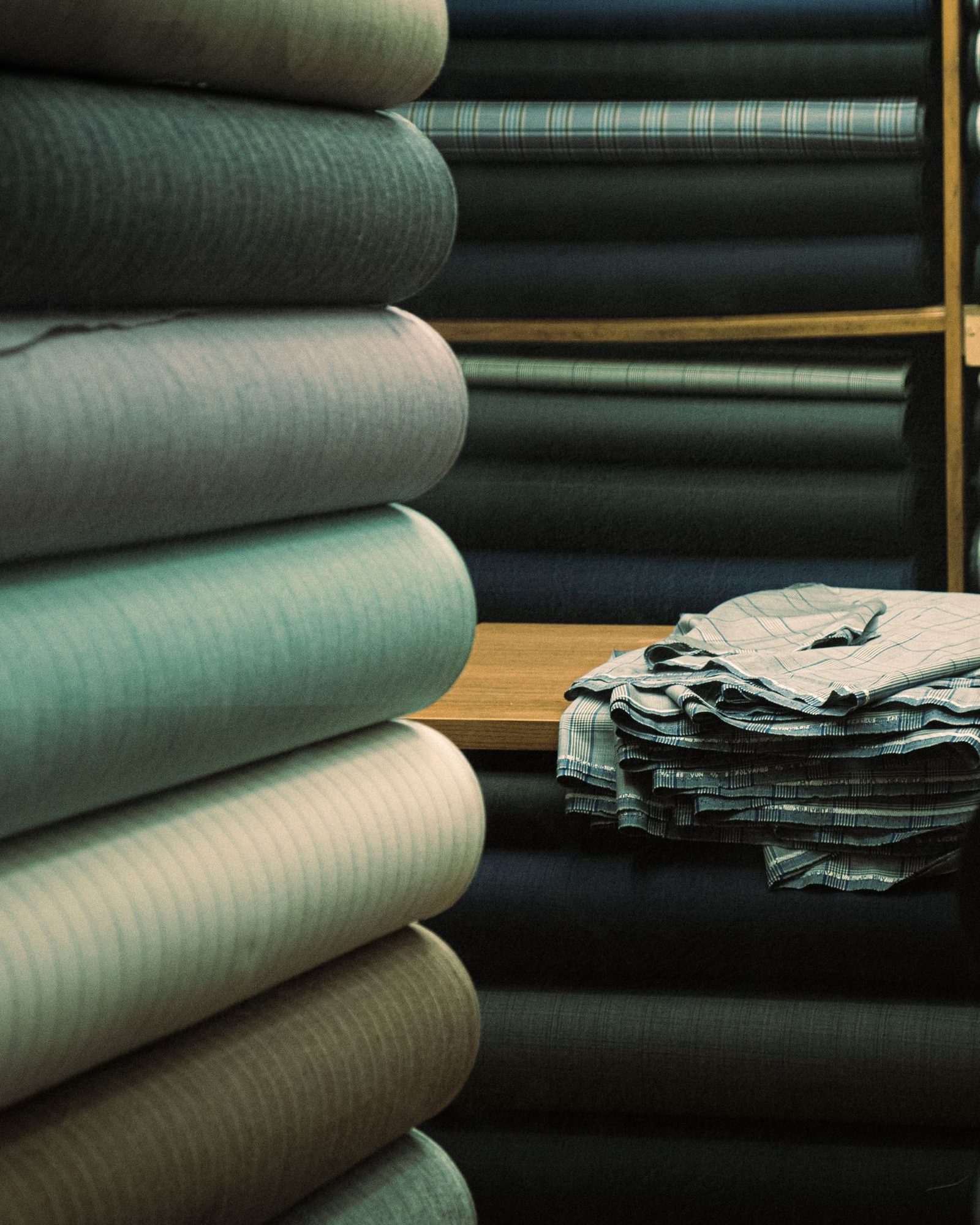
07the archive: vintage references
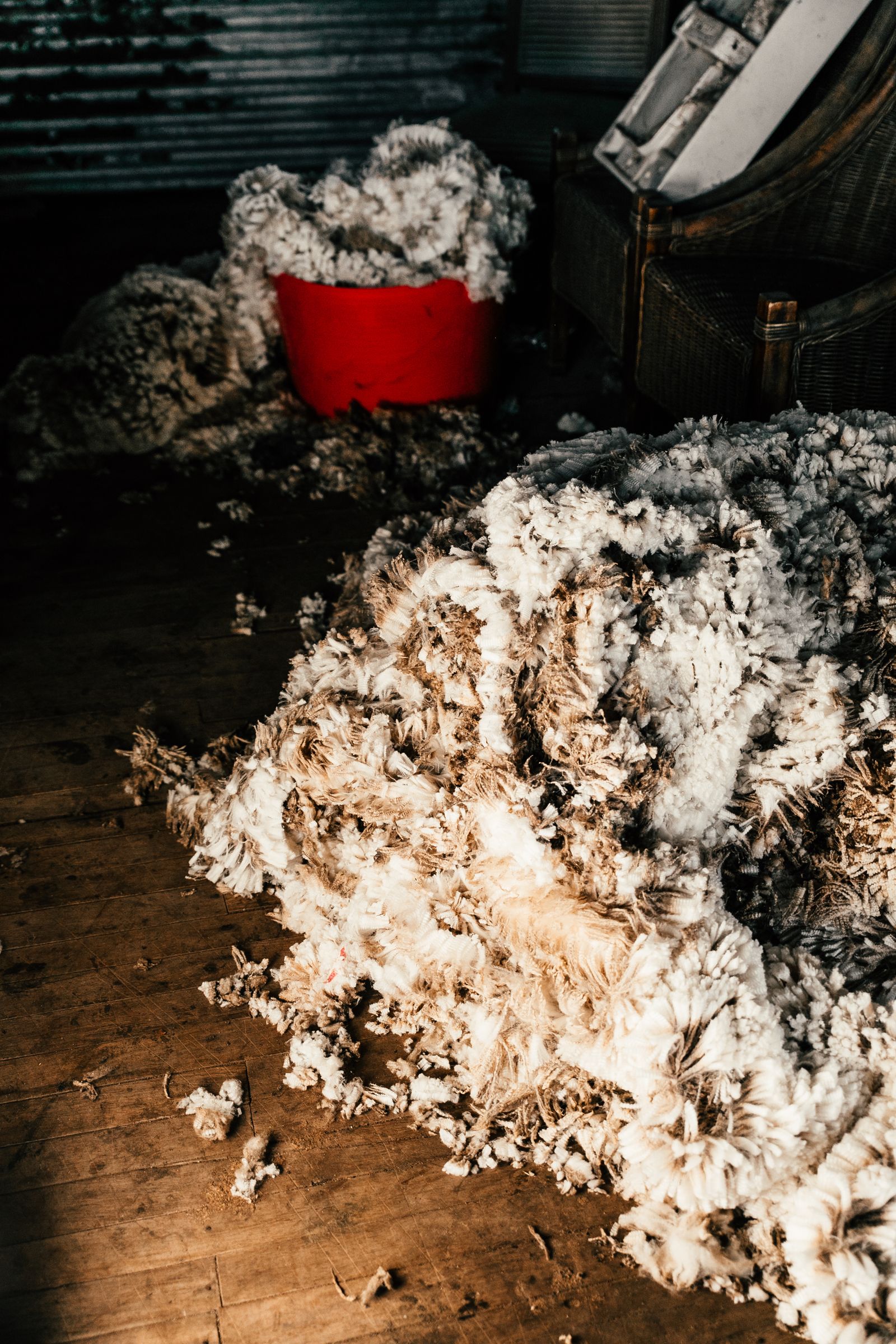
08fibre: merino and cashmere
(04) how it works
(05) the model
the introduction is free.
there is no fee for the introduction. you agree samples, prices and production directly with the factory, and the relationship is yours from day one. factories that fall below our standard leave the network.
(06) studio
we have been on your side of the table. before urdir, we built the product and sourcing teams of fast-growing spanish labels, chasing samples and deadlines along the way. urdir is the network we wish we had back then. every factory in it has made product for us.
founder, barcelona
how a house enters the network
(07) request an introduction
tell us what you are making.
if we have the right house, we set up a first call. if we don’t, we say so. a limited number of introductions each season.
we reply within two working days.